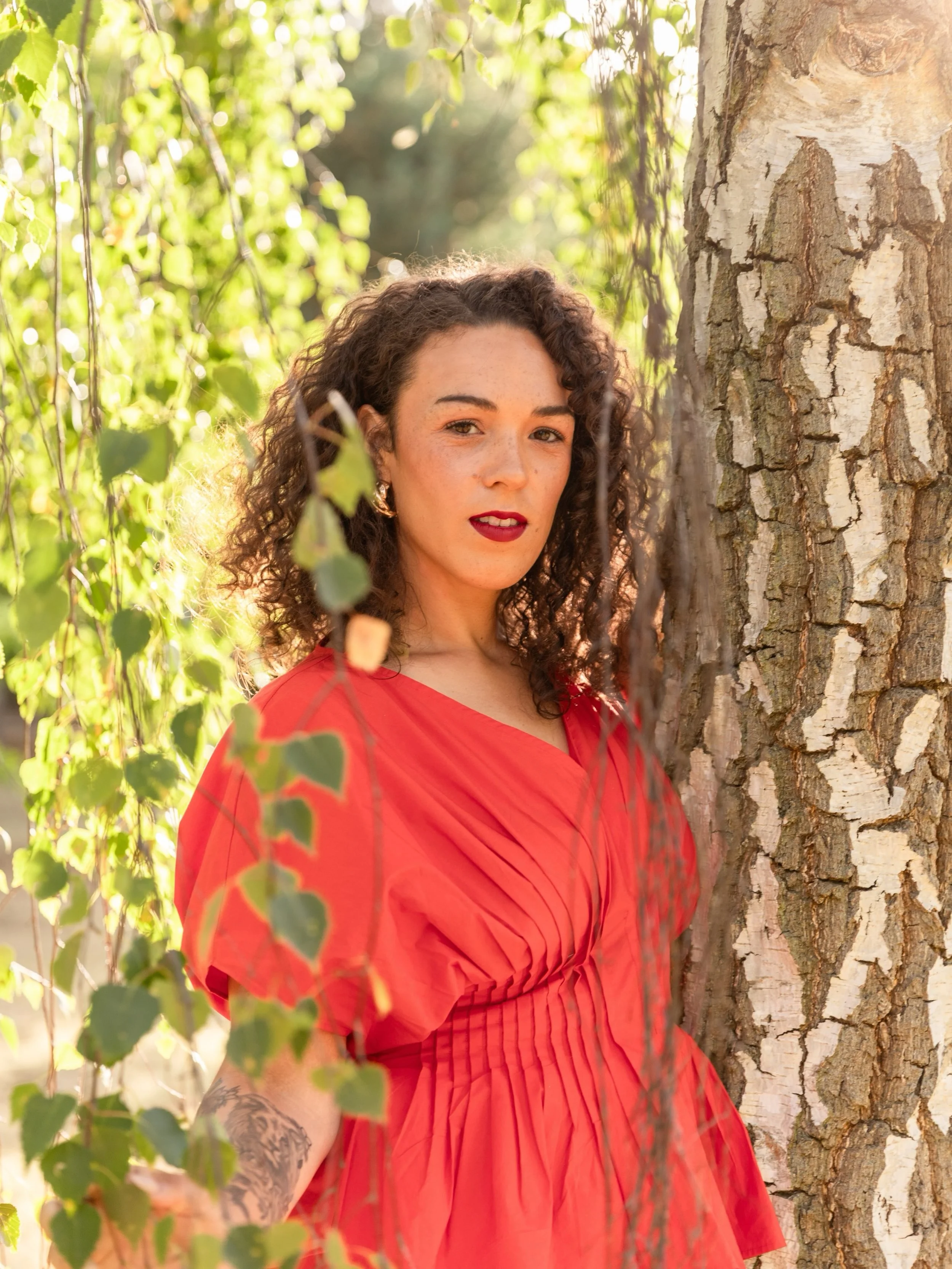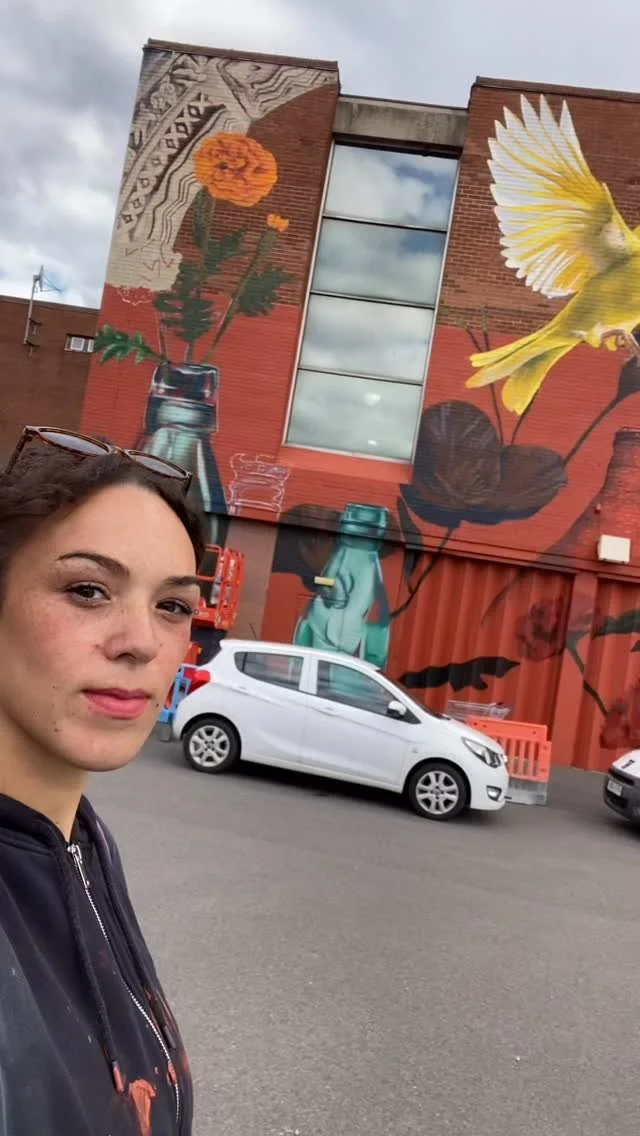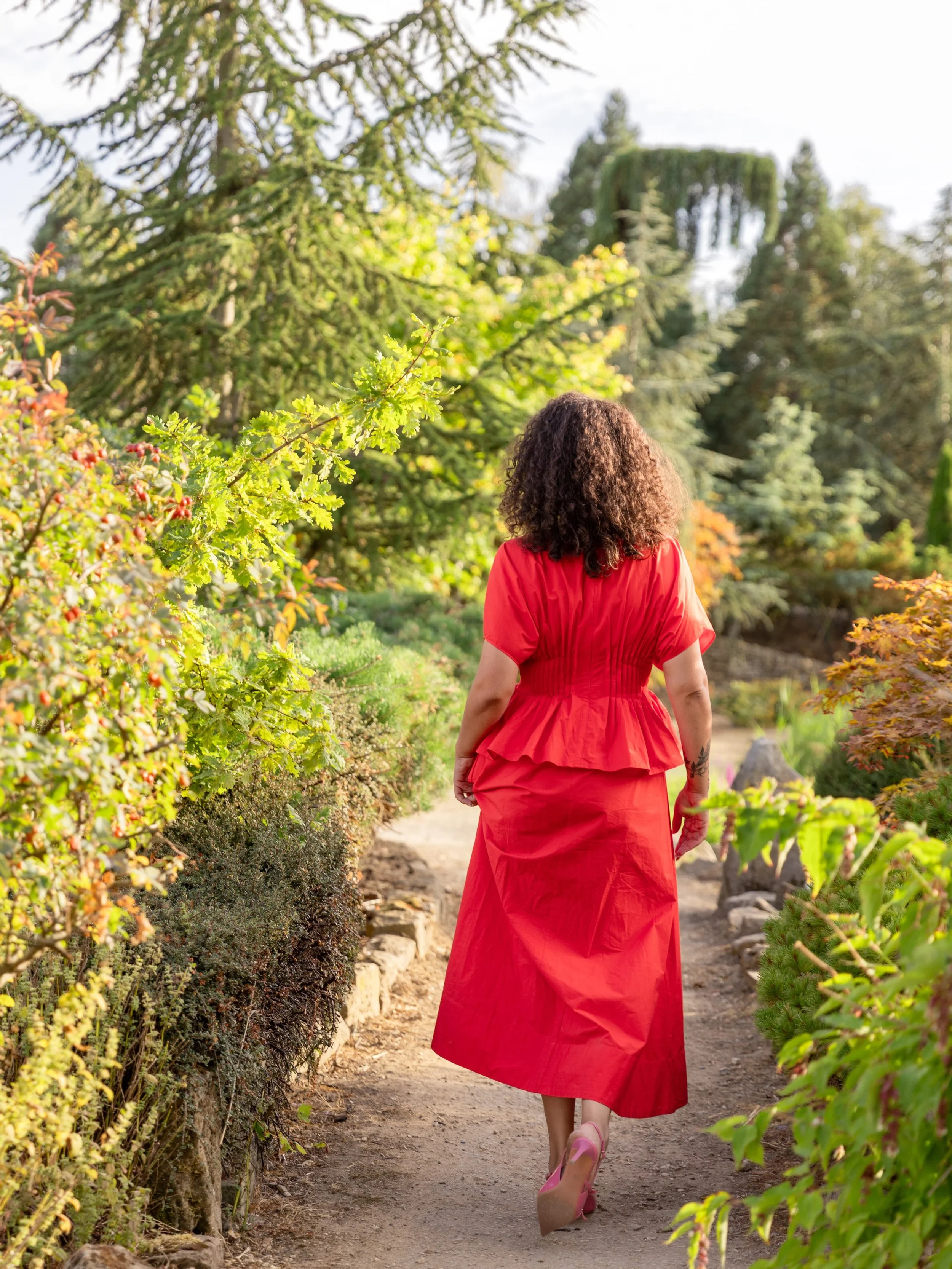
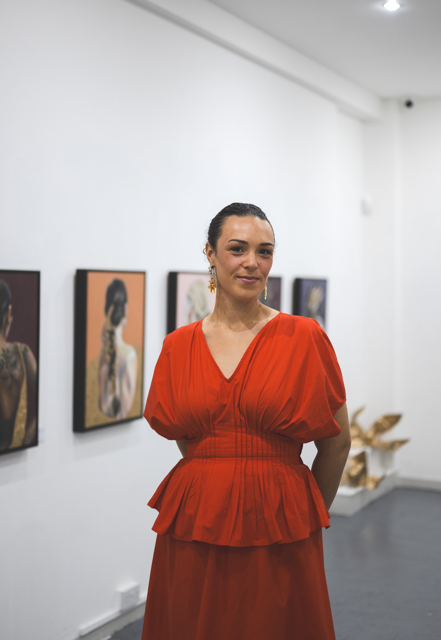
Natasha Clarke is a Yorkshire based contemporary artist and muralist whose work explores beauty, femininity and the quiet power of choosing yourself.
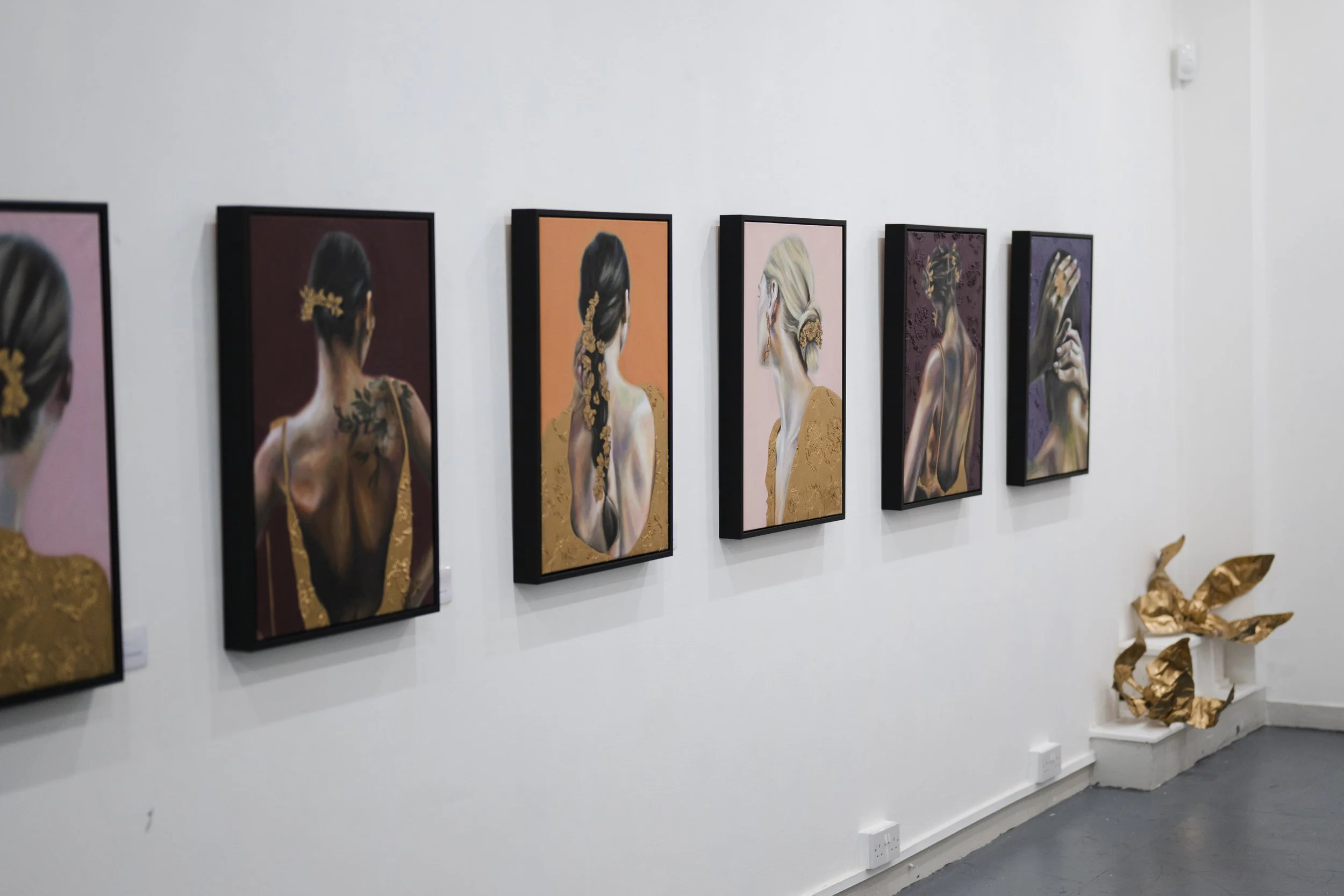
Clarke creates expressive oil paintings that celebrate women across all ethnicities. Her portraits explore the relationship between how women are seen and how they choose to present themselves, often using perspective, obscured identity and symbolism to create a sense of quiet power.
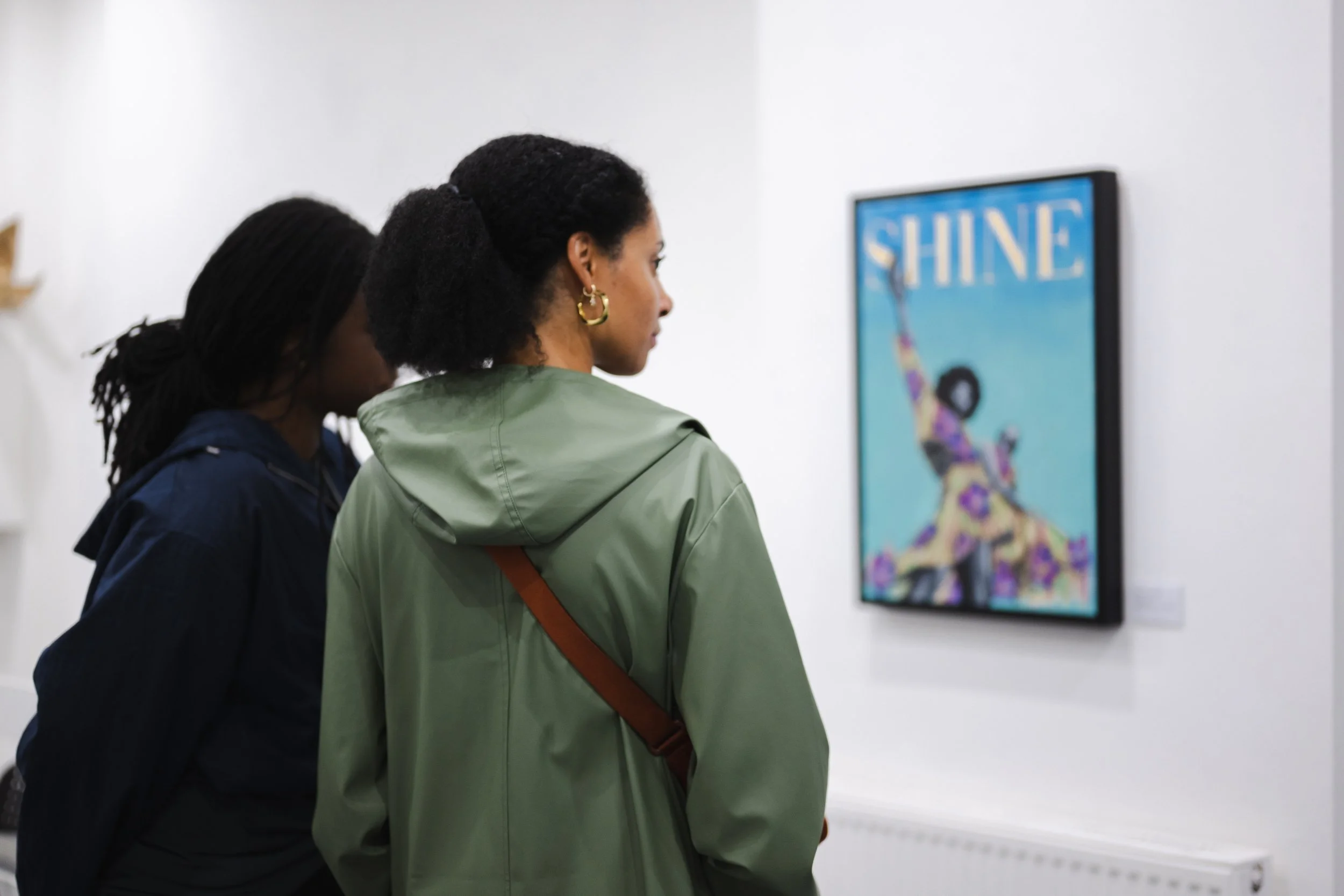
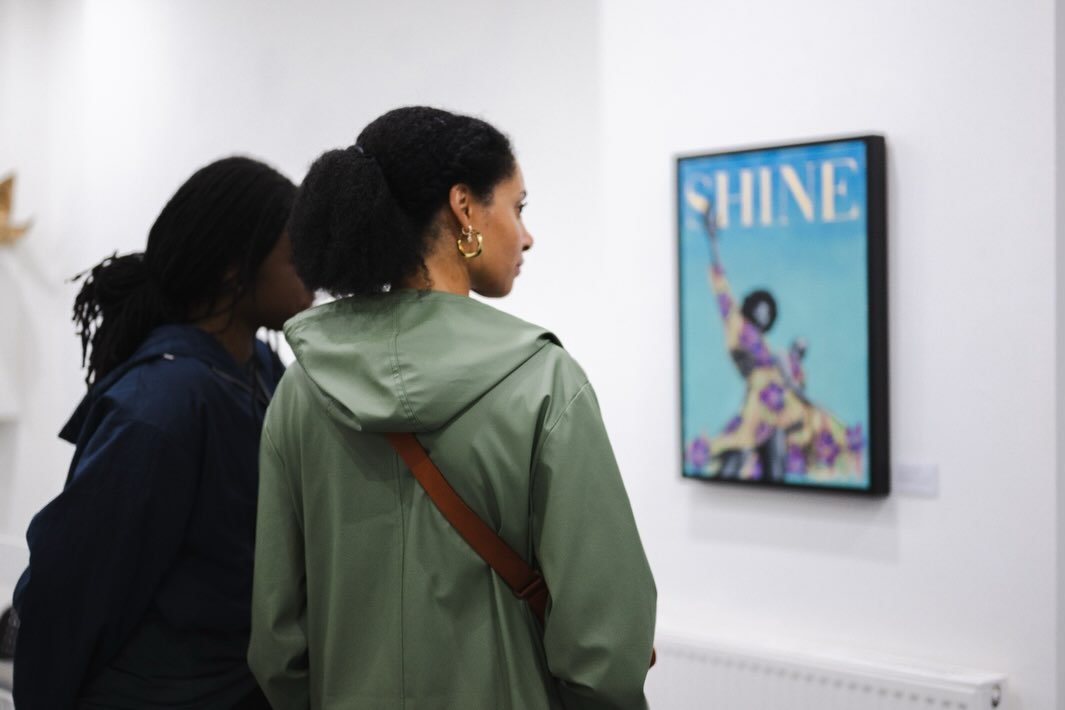
SHINE
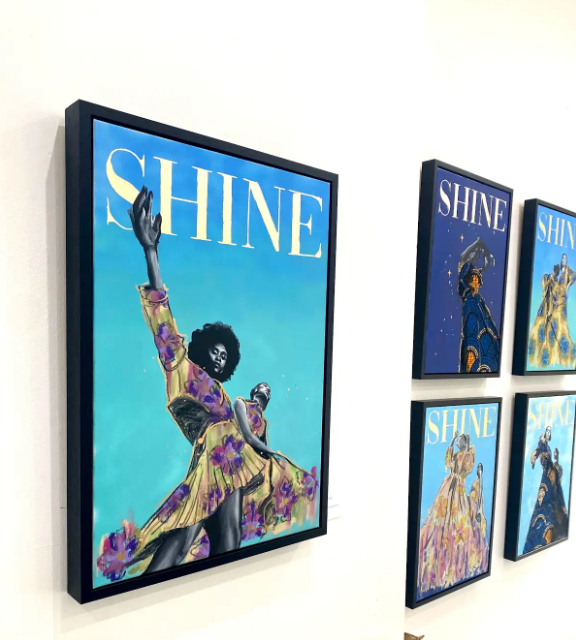
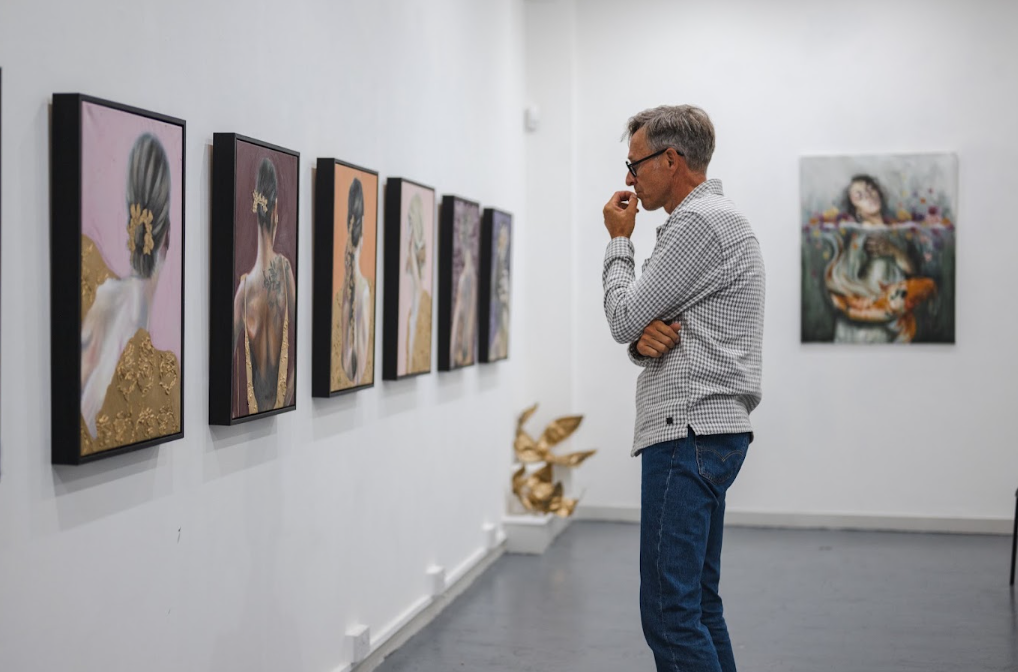
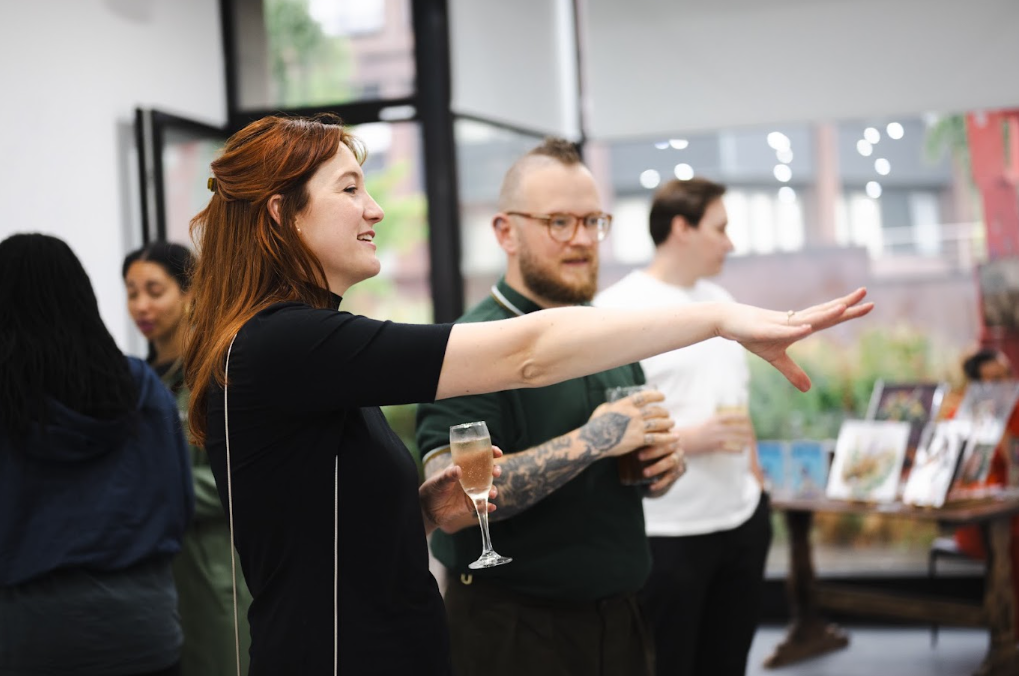
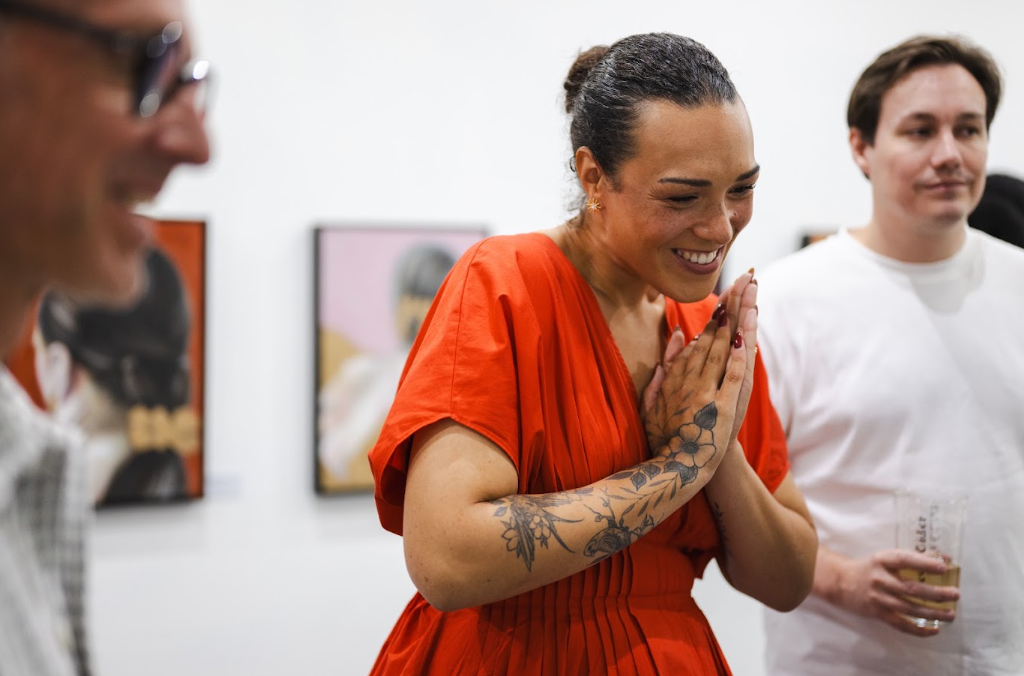
SHINE is the solo exhibition by Natasha Clarke, bringing together a selection of portrait paintings from several available collections.
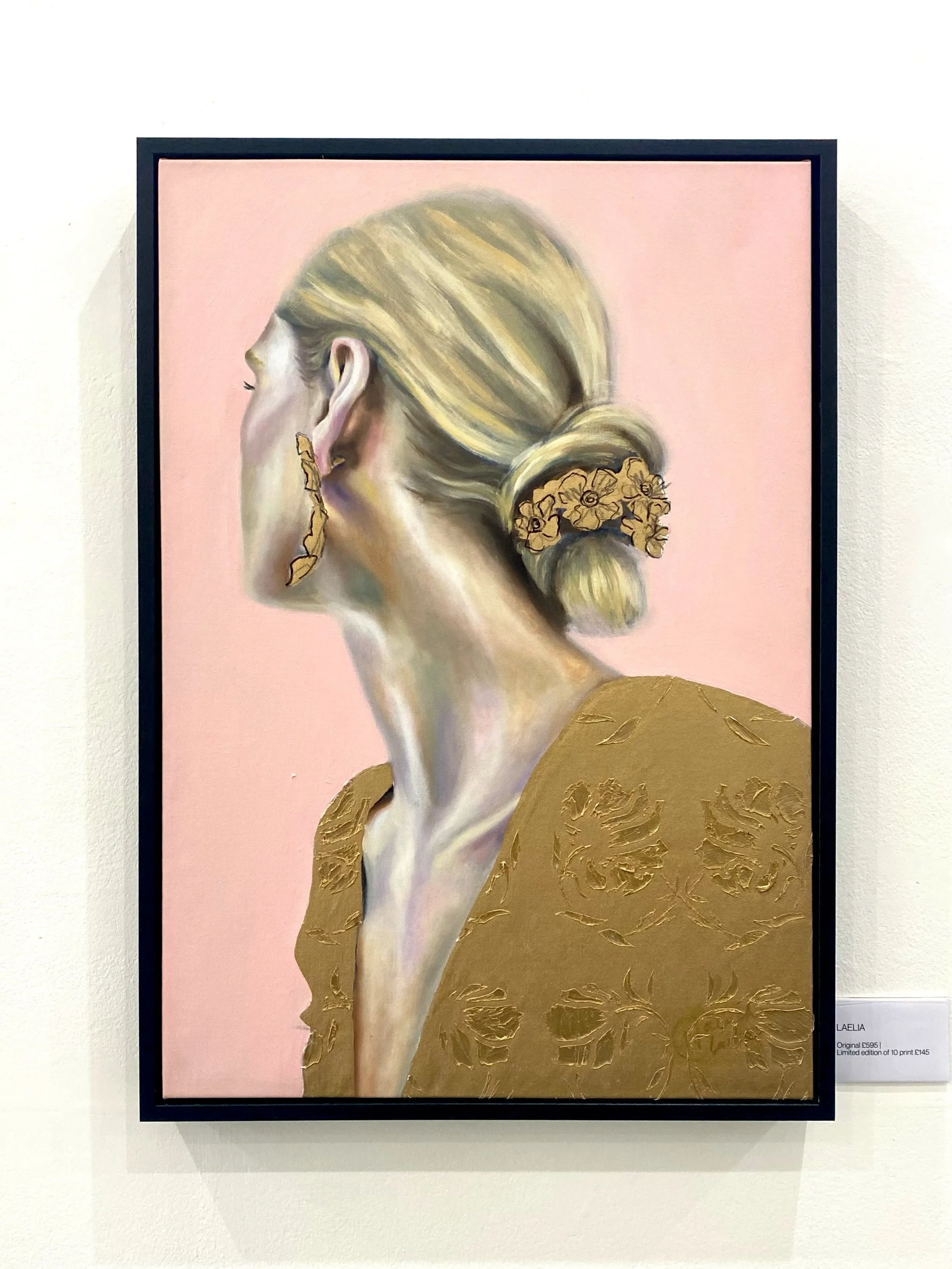
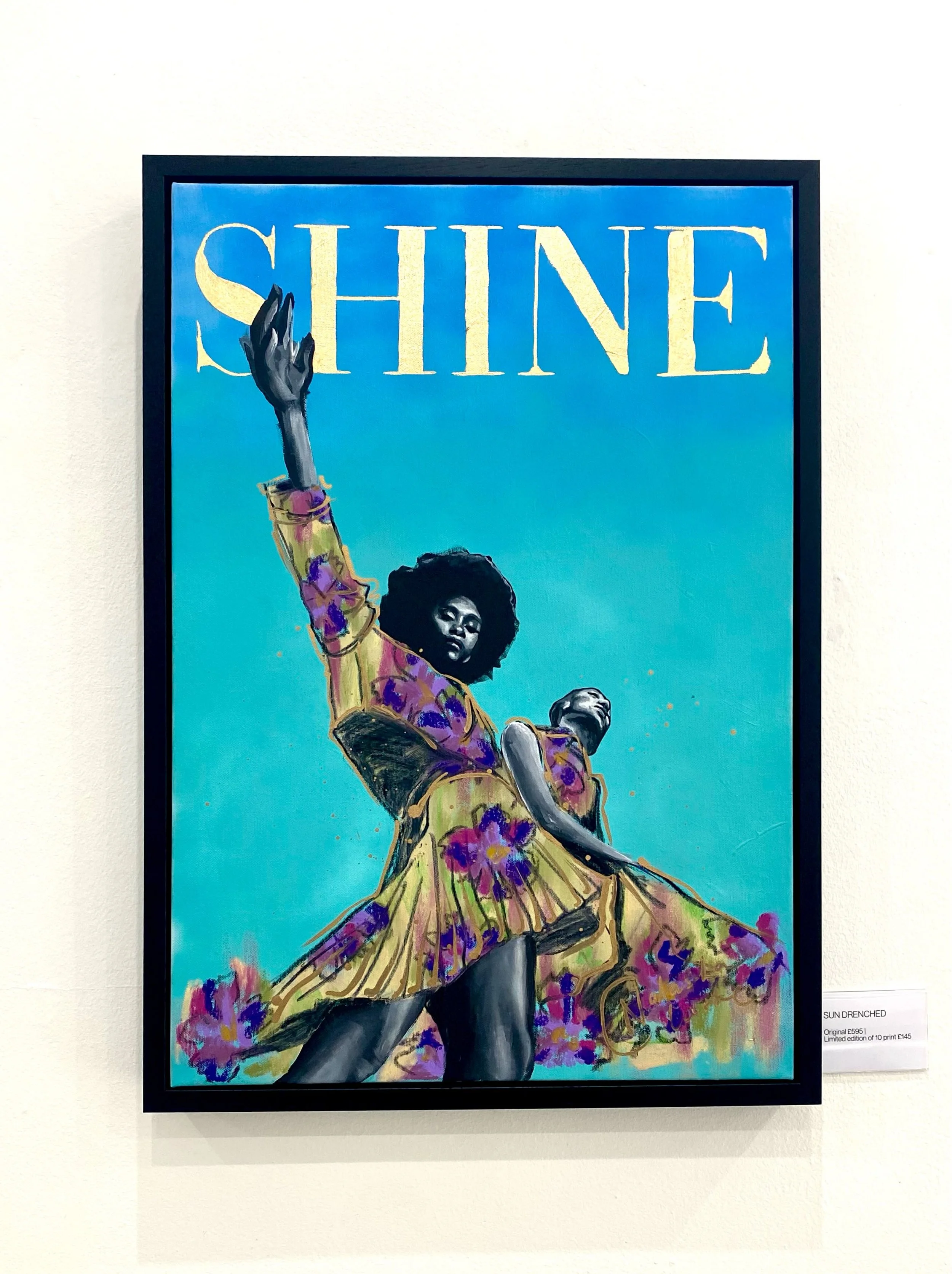
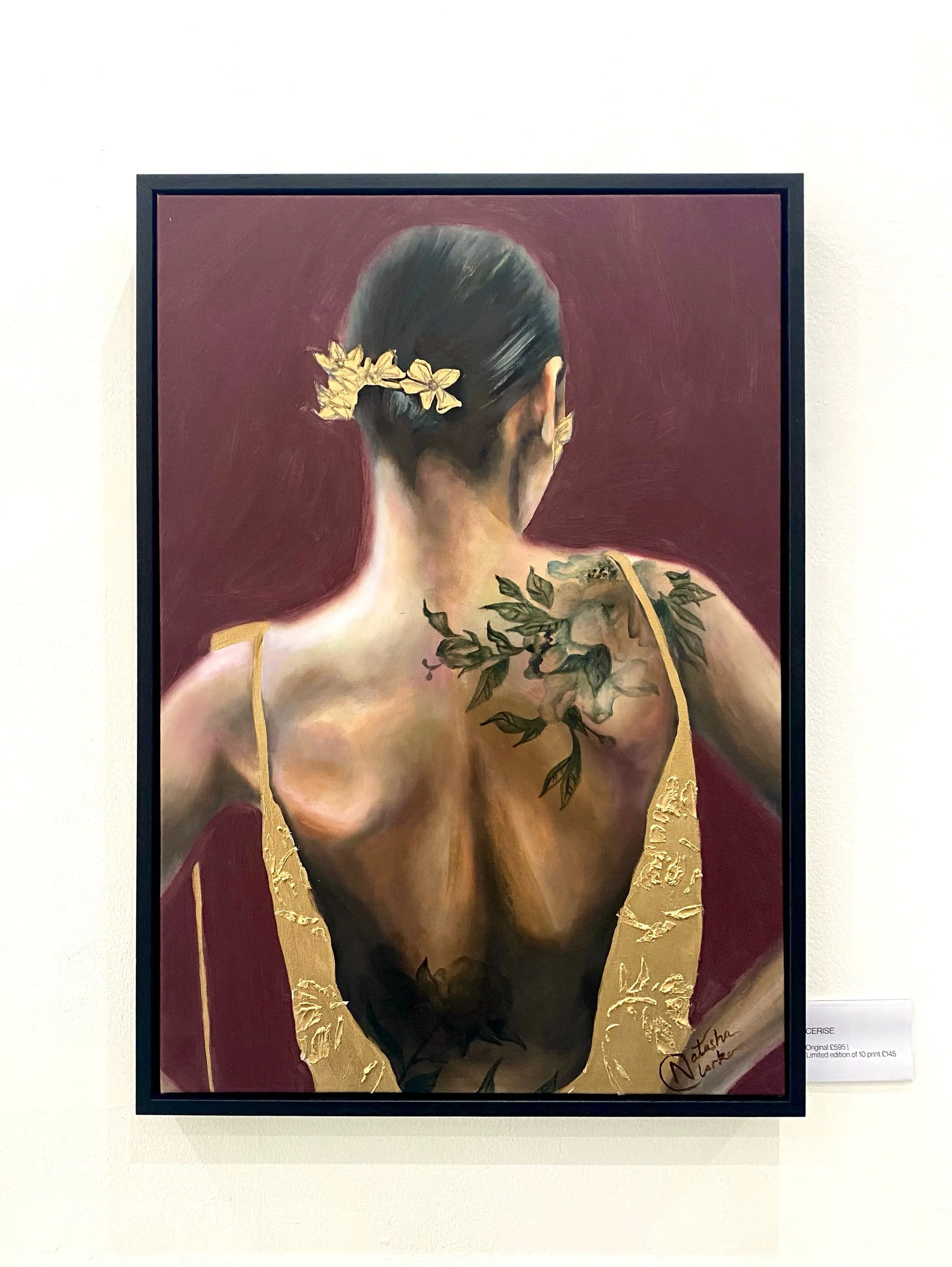
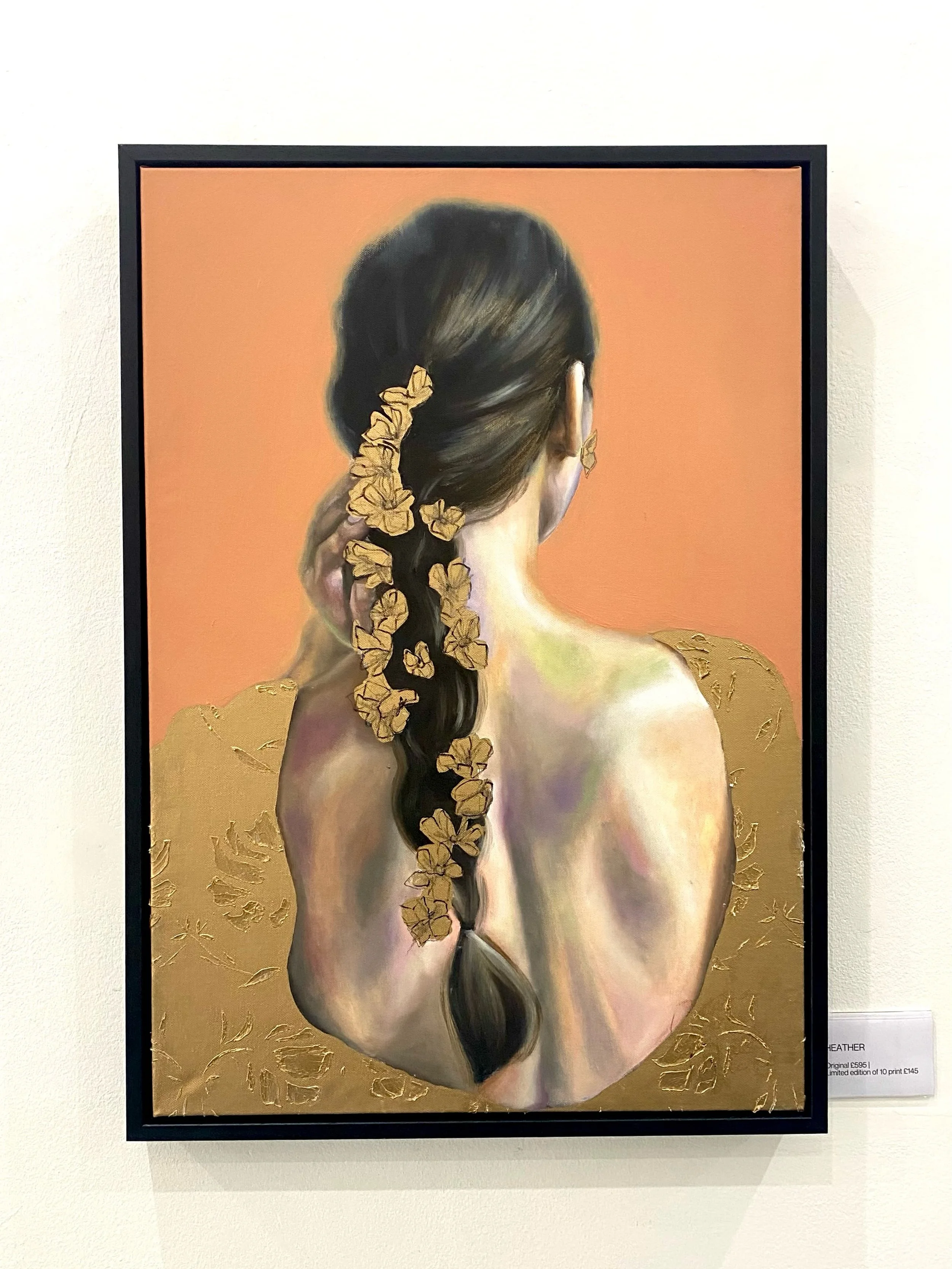
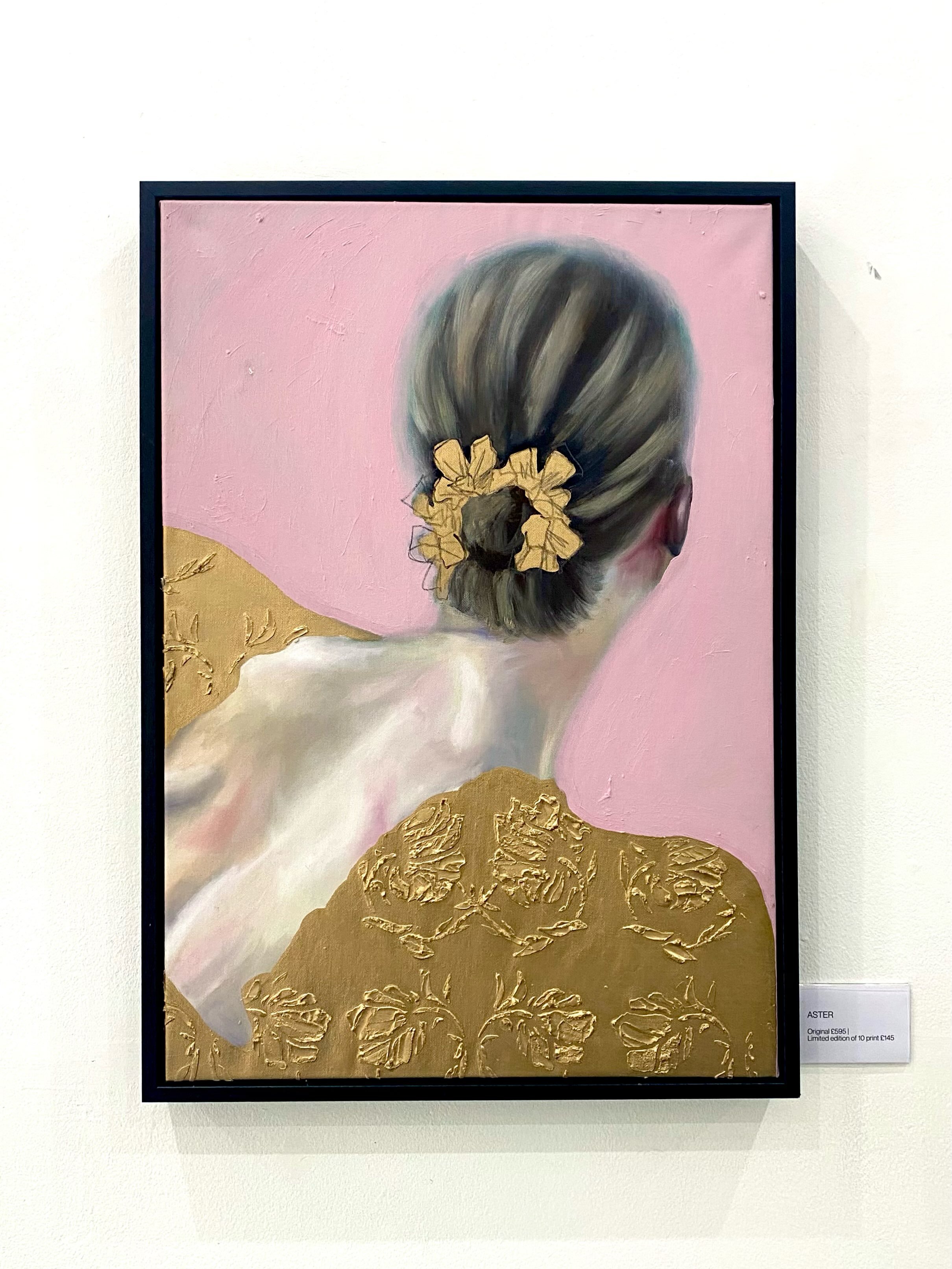
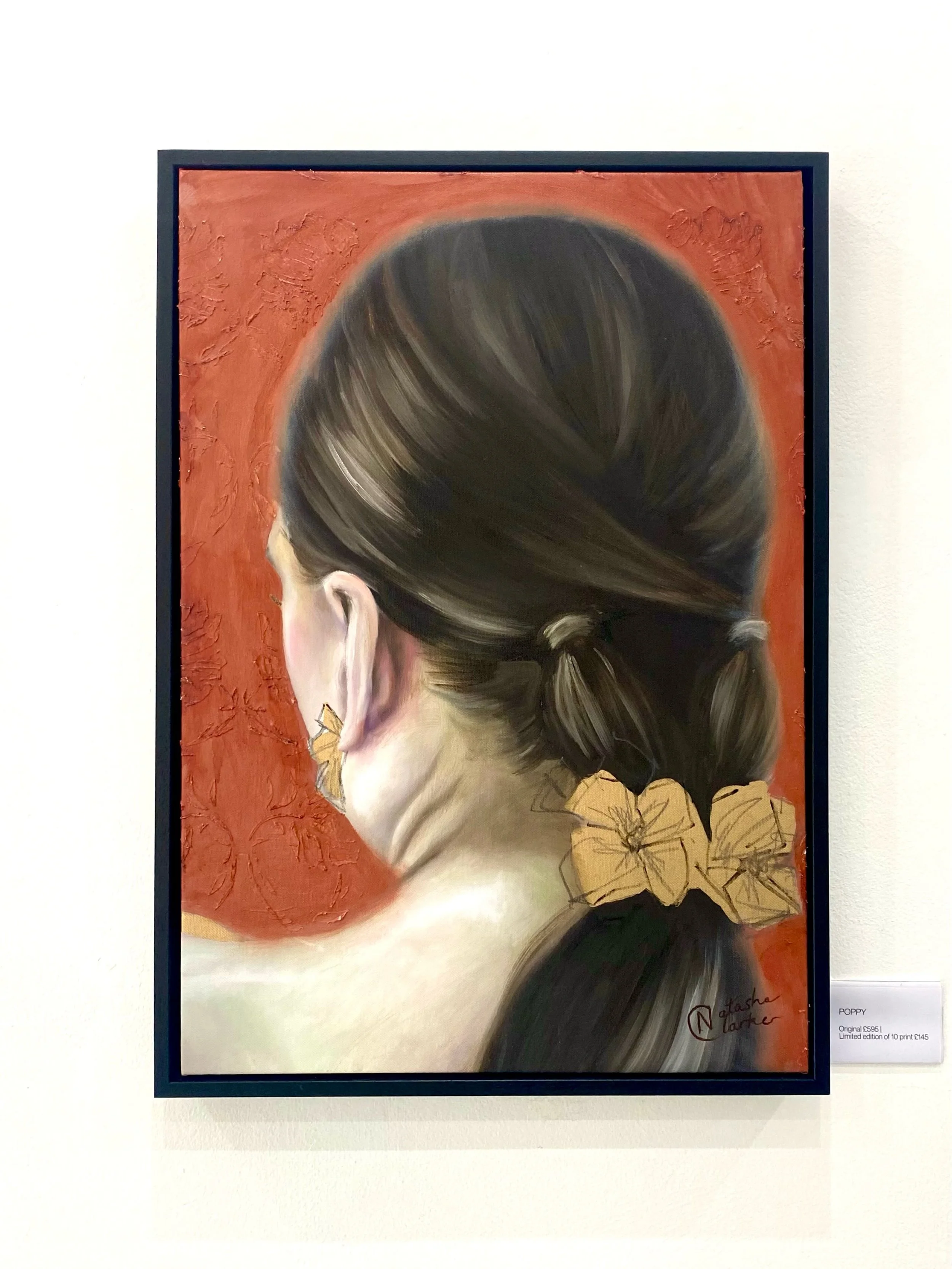
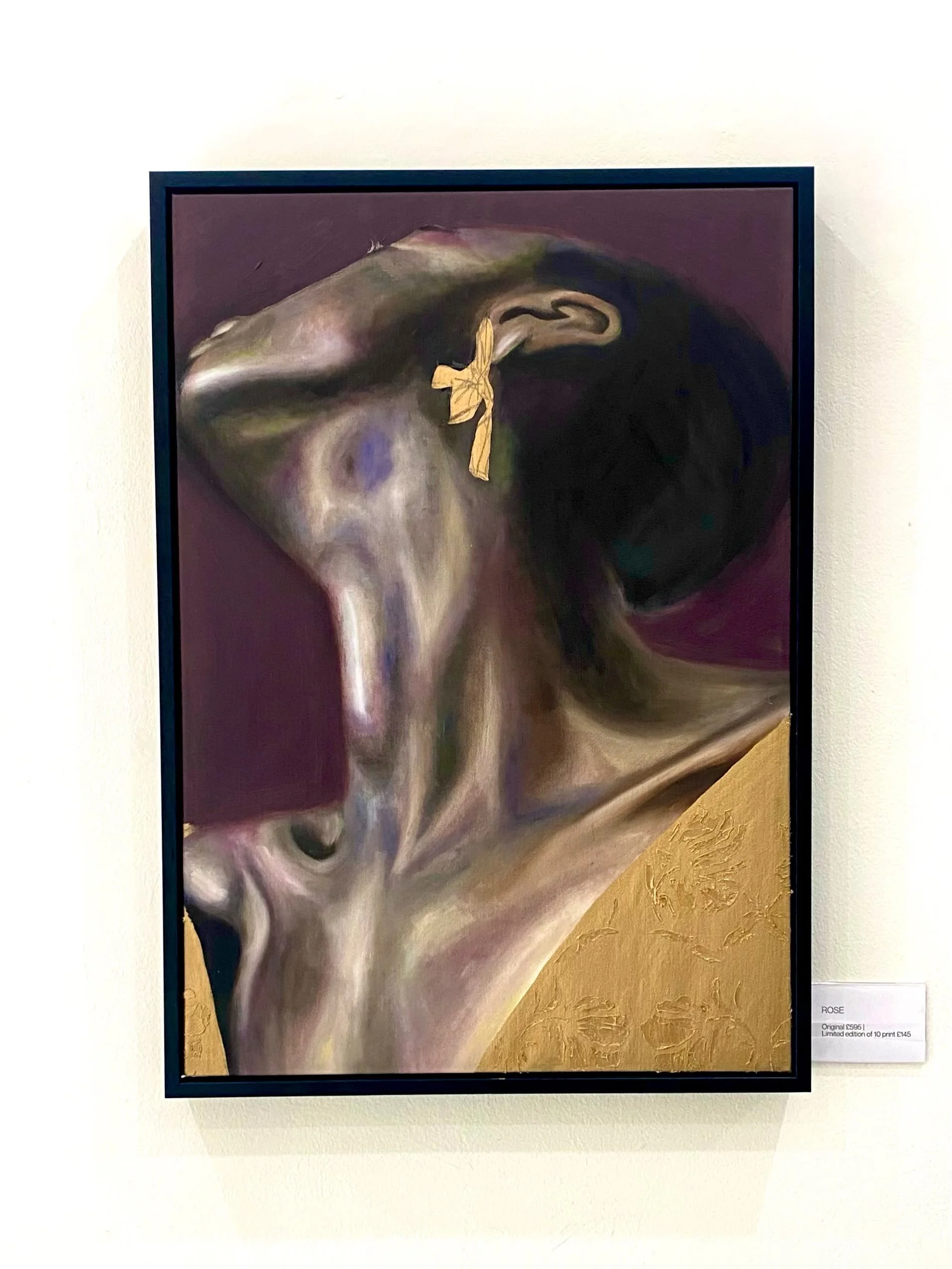
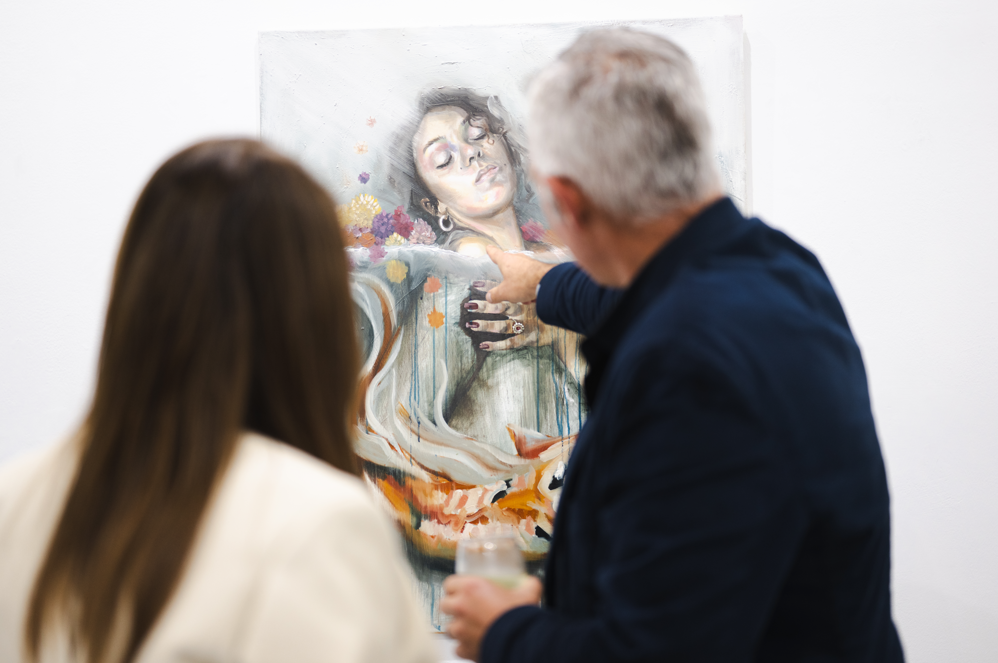
Drawing from Clarke’s White British and Black Jamaican heritage, the exhibition considers the ways women are represented, perceived and expected to present themselves. Across the work, female subjects are often turned away from the viewer, their faces partially concealed or their bodies viewed from below. These choices create a shift in perspective, moving the woman from an object to be observed towards a figure who exists on her own terms.
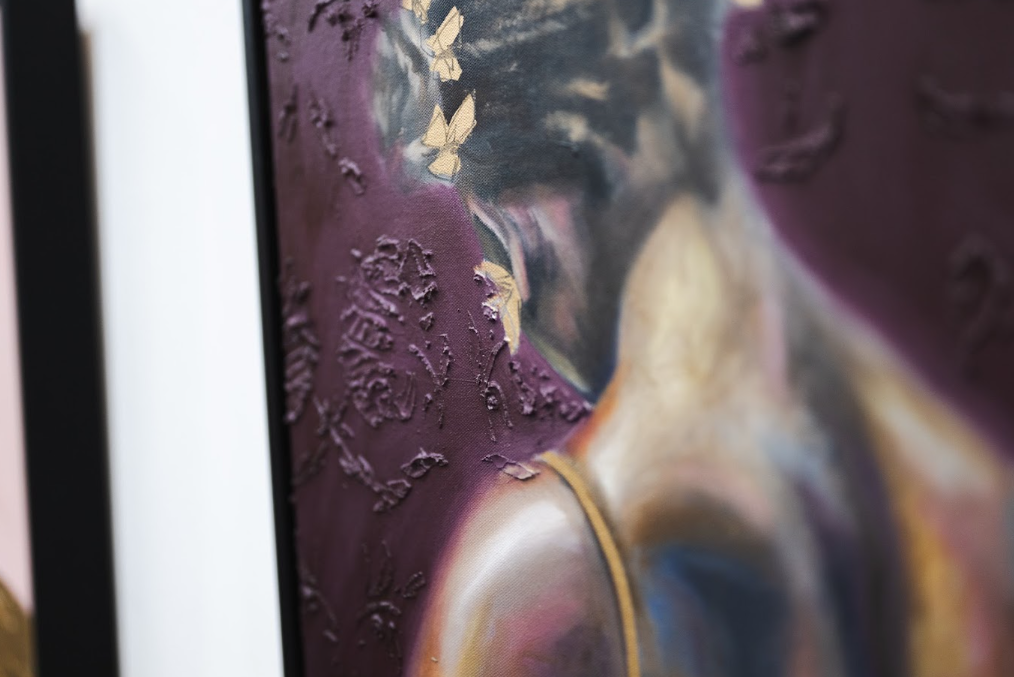
At the heart of SHINE is an interest in beauty as something personal, evolving and shaped by experience rather than dictated by a singular ideal. Flowers, pattern, gold and rich colour become visual languages through which Clarke explores abundance, resilience, femininity and transformation.
The exhibition brings together works from Clarke’s HER collection alongside newer paintings, marking a significant development in her visual language and her confidence as an artist.
SHINE also represents an important step in Clarke’s professional journey. Independently curated and produced without gallery representation, the exhibition reflects her determination to create her own opportunities and establish a distinctive position within the contemporary art world.
Rather than simply presenting a collection of paintings, SHINE offers a glimpse into a practice continuing to evolve, one rooted in portraiture, but increasingly interested in the relationship between beauty, identity, emotion and the spaces in which art is experienced.
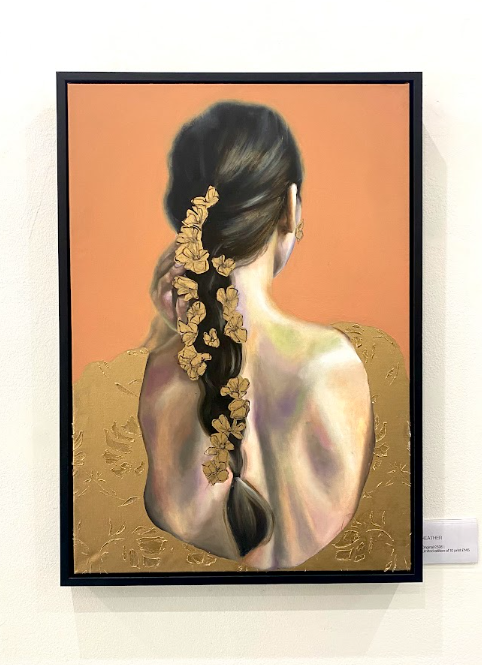
Oil paint and liquid gold on canvas
Original, Framed, 19’ x 27’
Limited edition prints of 10, A2 size
Signed and includes Letter of Authenticity
Explore Available Work
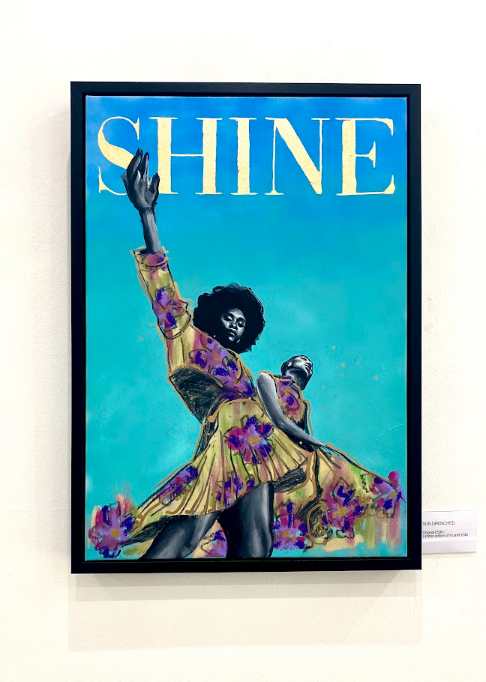
Mixed media, acrylic, spray, oil pastel, liquid gold
Original, Framed, 19’ x 27’
Limited edition prints of 10, A2 size
Signed and includes Letter of Authenticity
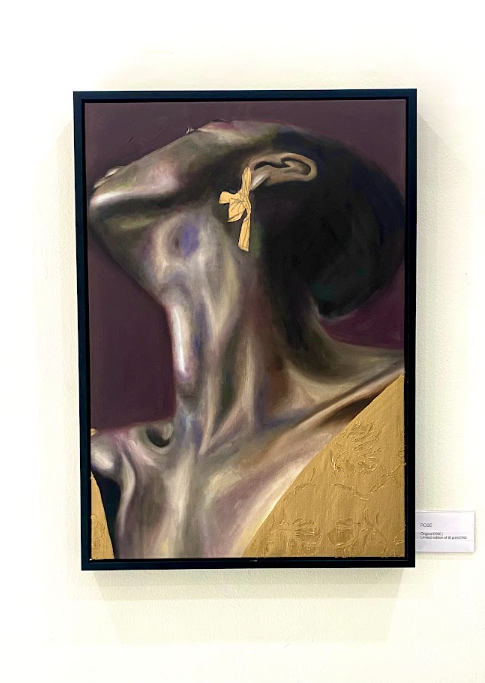
Oil paint and liquid gold on canvas
SOLD Original, Framed, 19’ x 27’
Limited edition prints of 10, A2 size
Signed and includes Letter of Authenticity
Natasha Clarke
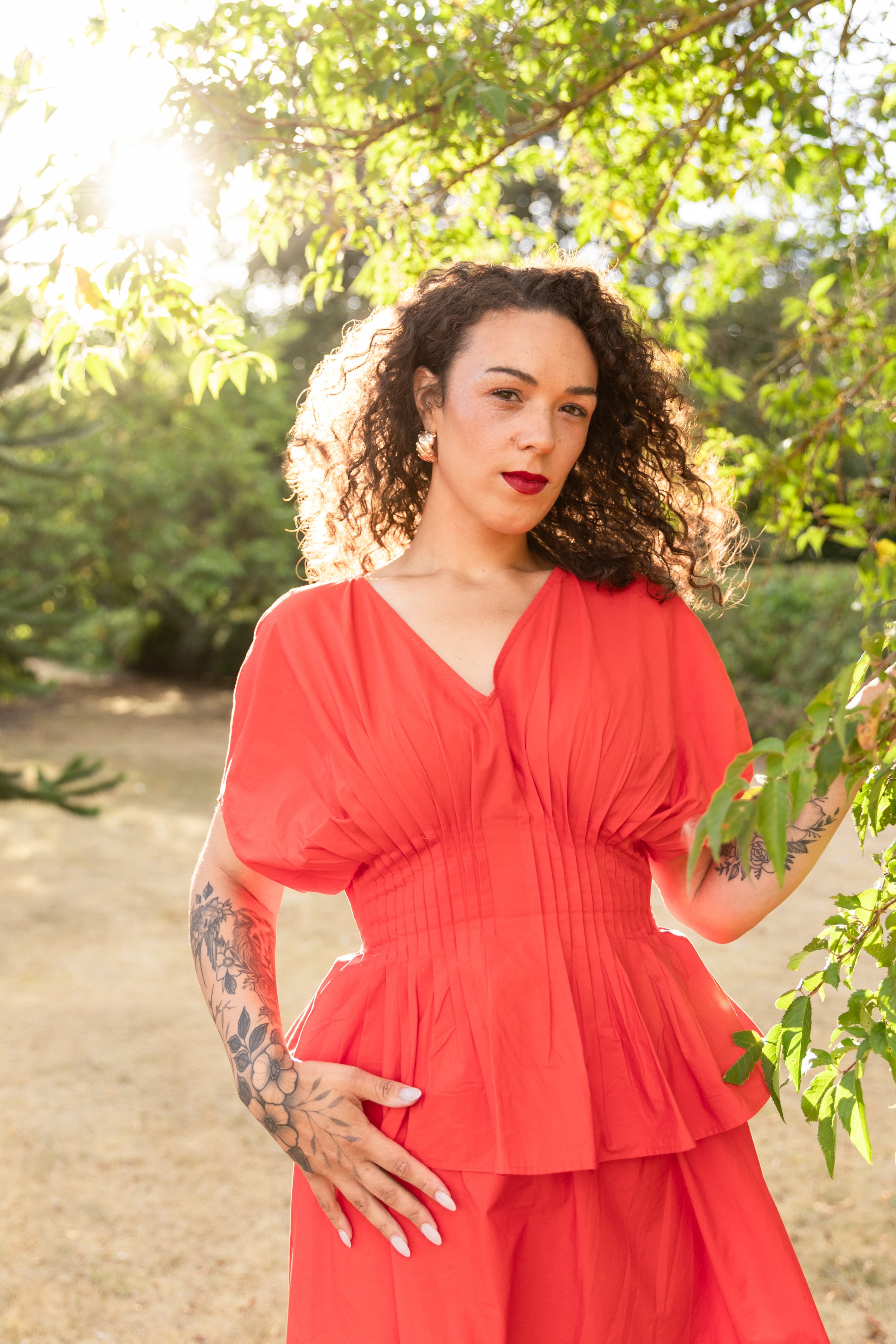
Art has been a core part of my life from an early age, from a working class background I was the first person in my family to be self-employed and working in the creative sector. I carved my own path.
I earned a 1st class honours degree in Fine Art and masters degree in Curation Practices. I am passionate about inclusivity in the arts and holding the door open for others.
Growing up as a mixed-heritage girl in a small Yorkshire mining village, I rarely saw women who looked like me represented in art or in the beauty standards around me. Like many women, I spent years trying to reshape myself to fit an ideal that was never designed to include me.
Through my paintings, I challenge those inherited narratives.
Using a combination of traditional and contemporary techniques, I paint women of all shades, celebrating diversity, presence, and quiet strength. Many of the women in my work turn away from the viewer or placed in a position of power through worms eye view. This is intentional.
For centuries, women in art were painted to be looked at — muses, symbols, objects of admiration. In my work, I play with perspective. These women are not performing for the viewer, they are not seeking approval.
They exist on their own terms.
Their beauty is not defined by the gaze of others, but by their own sense of self.
At its core, my work is about reclaiming beauty and celebrating my mixed heritage as a White British and Black Caribbean female artist.